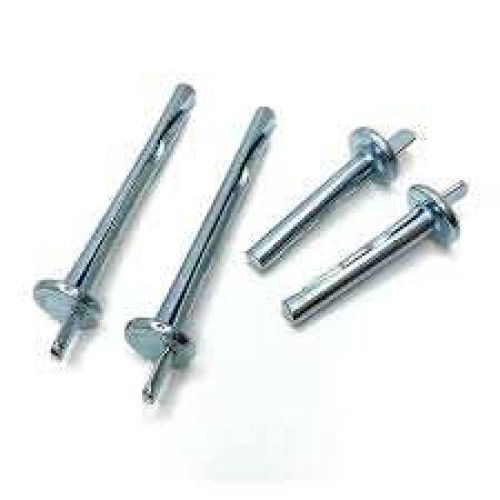
| Standard | GB /T 17116.3 - 2018 |
| Grade | 4.8, 8.8, 10.9 |
| Surface Treatment | ZP, PL |
Product Introduction
Standard Name: Ceiling Anchor.
Common Names: Ceiling Anchor Bolt, Suspended Ceiling Anchor Bolt, Concrete Ceiling Expansion Bolt.
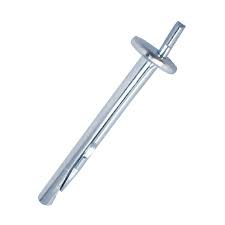
Product Definition: An expansion anchor specifically designed for suspending and securing objects in overhead substrates such as concrete ceilings. Typically installed by hammering or tapping, it relies on an expansion mechanism that opens within the hole to generate friction and mechanical locking, enabling it to withstand continuous tensile forces from gravity. This ensures the safe suspension of pipes, cable trays, lighting fixtures, ceiling grid systems, and similar components.
Ceiling Anchor Key Features
Inflation or Drop-In Design: Commonly used drop-in anchors or specialized ceiling anchors, they expand
evenly, providing high grip and pull-out resistance, suitable for overhead installation.
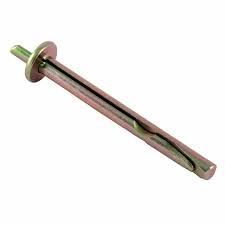
Materials and Coatings: Commonly used zinc-plated carbon steel (ZP), yellow zinc-plated steel (YZP),
or stainless steel (SS), offering different corrosion resistance levels; flush or low-profile heads avoid
protrusion.
Concealed Installation: The head design allows for a flush surface, providing internal threads or eyelets
after expansion for easy rod connection.
Various Sizes: Diameters M6-M20, lengths 25-100mm, require specialized tools for expansion.
Advantages: Strong grip, vibration resistance, reusable threads, economical and practical, optimized for
ceiling loads.
Working Principle
Drilling Installation: Drill holes of matching diameter and depth in the ceiling concrete and insert the
anchor (flush head).
Expansion Fixing: Using specialized tools, tapping or rotating expands the bottom to grip the hole wall,
providing permanent fixation.
Load Distribution: The expansion force is evenly distributed, resulting in high pull-out strength; the
coating provides corrosion protection.
Hanging Connection: After expansion, internal threads or eyelets are provided for securing hangers or
hooks; the principle involves mechanical expansion and frictional gripping.
Product Applications
Ceiling Systems: Secure hangers, light fixtures, or ventilation ducts to concrete ceilings for a concealed
and aesthetically pleasing look.
Building Construction: Install ceiling frames, signs, or brackets, providing structural stability.
Industrial and Commercial: Secure equipment, pipes, or shelving to overhead concrete.
Home Improvement: Suspend heavy objects such as ceiling fans, plants, or decorative lights.
General Lifting: Any project requiring high-strength overhead anchoring.